




Fall Car Maintenance Checklist for Burlington, NC Drivers
Get Your Kia Ready for Fall: Burlington Kia
Maintenance Checklist
The first cool morning of fall always brings a few surprises. A tire pressure light pops on in the grocery store parking lot. A battery that sailed through August suddenly cranks slowly. Wipers that baked in the sun all summer start smearing instead of clearing.
None of that is bad luck. It's what a hot Piedmont summer followed by a 30-degree temperature swing does to a car. The upside is that almost every cold-weather breakdown sends a warning first, and October is when you catch it. This is the checklist we'd run through on our own cars.
1. Tire Pressure and Tread: Why Does My Tire Light Come
On?
Air contracts as it cools. Your tires lose roughly 1 PSI for every 10°F the temperature drops, so the gap between a 90-degree August afternoon and a 45-degree October sunrise can leave all four tires noticeably low.
Don't wait for the dashboard to tell you. Federal safety standards only require your tire pressure monitoring system to warn you once a tire is 25% below its recommended pressure. On a tire that should be at 35 PSI, that's around 26 PSI before the light ever comes on.
Check your pressure first thing in the morning, before you drive, and fill to the number on the sticker inside your driver's door. The PSI molded into the sidewall is the tire's maximum, not your target.
Then check your tread with a penny. Slide it into the groove with Lincoln's head pointing down. If you can see the top of his head, you're at or below 2/32 of an inch, and it's time for new tires. Worn tread and wet leaves on Huffman Mill Road don't mix. Our team can inspect your tires and check your alignment in the same visit.
2. Battery: Heat Does the Damage, Cold Finishes the Job
Summer heat is what actually wears a car battery down. It speeds up the chemical breakdown inside. Cold weather just exposes it, because a cold engine needs more power to start while a cold battery has less to give. That’s why so many batteries quit on the first chilly morning after a hot summer.
Most batteries last three to five years. If yours is in that range, or you've noticed slow cranking, dim headlights at idle, or a battery warning light, get it load-tested. The battery check takes a few minutes.
3. Brakes: Wet Leaves Add Stopping Distance
Wet leaves on asphalt are about as slick as it gets outside of ice. Add morning dew and earlier sunsets, and you want every foot of stopping power your brakes can give you. Have them looked at if you notice any of these:
- High-pitched squealing. Most pads have a small metal wear indicator designed to make this sound when they're getting thin.
- Grinding. Usually means the pad material is gone and metal is contacting metal.
- A soft or sinking pedal.
- Pulsing in the pedal or steering wheel when you brake.
- Pulling to one side during stops.
Brake fluid also absorbs moisture over time, which lowers its boiling point and can make the pedal feel soft. Your owner's manual lists the replacement interval for your model. If any of these sound familiar, book a brake inspection before the weather turns.
4. Wipers and Washer Fluid: Replace From Summer
Months of UV exposure harden and crack wiper rubber, even when the blades look fine from the driver's seat. Test them on a wet windshield. If they streak, skip, or chatter, replace them. Plan on new blades every six to twelve months.
While you're under the hood, fill the washer reservoir with a fluid rated for freezing temperatures. Low fall sun hitting a dirty windshield on your drive home can make it nearly impossible to see. Genuine Kia wiper blades are available through our parts department.
5. Lights: Get Ready for Darker Commutes
Daylight saving time ends Sunday, November 1, 2026. The next Monday, many Burlington drivers will head home in the dark. Take two minutes to check your low beams, high beams, brake lights, turn signals, reverse lights, and license plate light. A second person can help, or you can check the reflection in a garage door.
If your headlight lenses look cloudy or yellowed, they're putting out less light than they should. Lens restoration or replacement makes a real difference on unlit back roads.
6. Fluids and Filters: Coolant, Oil, and Your Cabin Air Filter
Coolant protects your engine from freezing in winter and overheating in summer. With the engine cold, check that the level sits between the marks on the overflow reservoir. Never open the radiator cap on a hot engine. The system is under pressure and can spray scalding coolant.
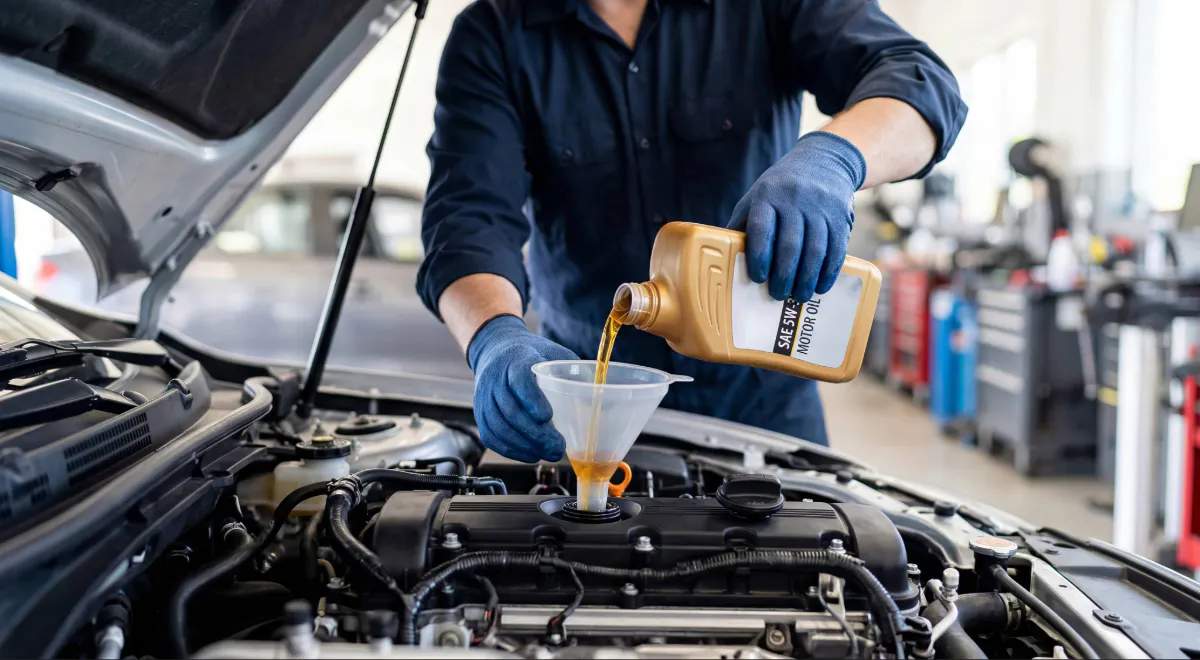
Oil changes should follow your Kia's maintenance schedule. If you're due in the next month or so, knock it out now alongside everything else.
Your cabin air filter traps leaf debris, dust, and fall pollen before it reaches your vents. If your airflow feels weak or the cabin smells musty when the fan kicks on, it's probably time for a change. Our Express Service lane handles quick maintenance like oil changes and filter swaps.
7. Heater and Defroster: Test Them Before You Need
Them
Run your heat and defrost now, not on the first frosty morning when you're already late. Weak airflow usually points to a clogged cabin filter or a blower motor issue. Air that never gets warm can mean low coolant or a stuck thermostat.
If your windshield takes forever to clear, have the A/C system checked too. Most modern vehicles, including Kias, run the A/C compressor during defrost to pull moisture out of the air.
Get Your Kia Fall-Ready at Burlington Kia
Our factory-trained technicians work on Kias every day. They use Genuine Kia Parts and the diagnostic equipment built for your specific model, and they can cover this whole checklist in a single visit. Grab a coffee and some free Wi-Fi in the waiting area, or take a shuttle or loaner if you'd rather not wait.
Schedule service online, call our service team at 336.396.0608, or stop by 2149 Hatchery Road in Burlington. Check our current service and parts specials before you book.
